
Third Week: Tuesday, October 22
We are in Xian, the ancient capital of China, and had until late afternoon before catching the train to the next town (Chengdu.) There was time to relax in the morning—read and write in the hotel room, then stroll through the street food vendors for lunch, then explore the Muslim section of town with all its bustle and shops. This is a good time to write more about eating in China—one of the genuine reasons for sitting 15 hours on a plane each way to get there.
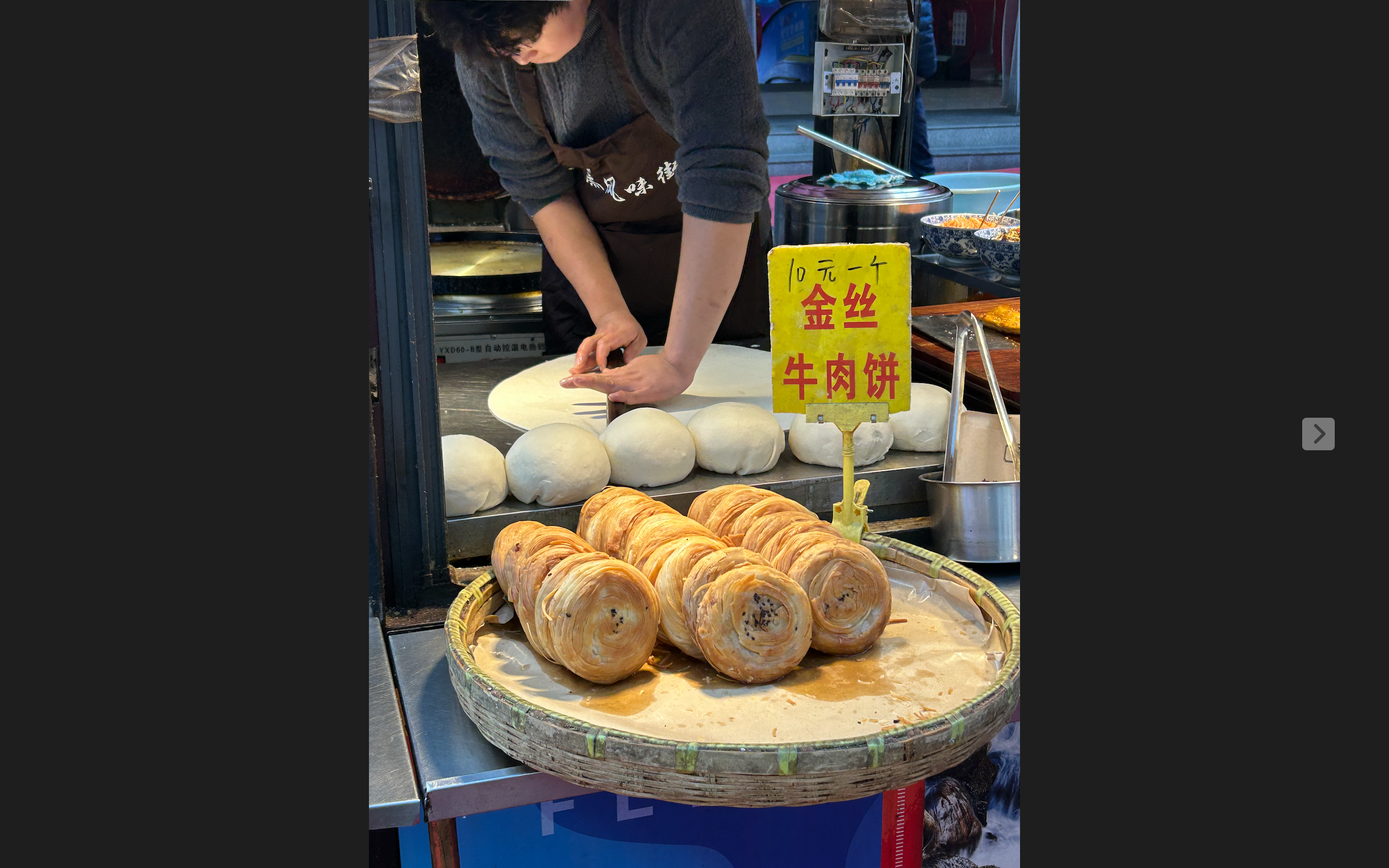

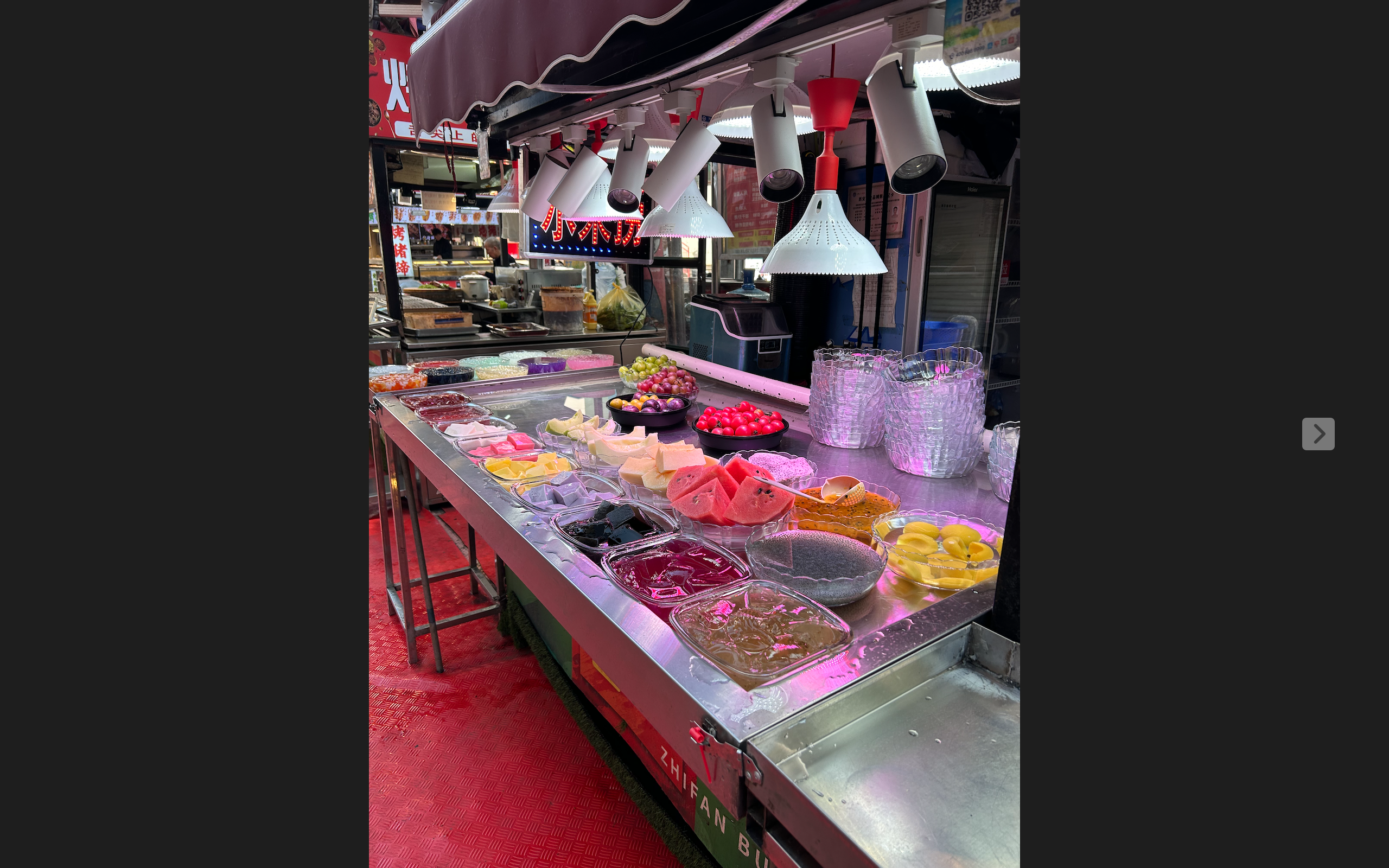
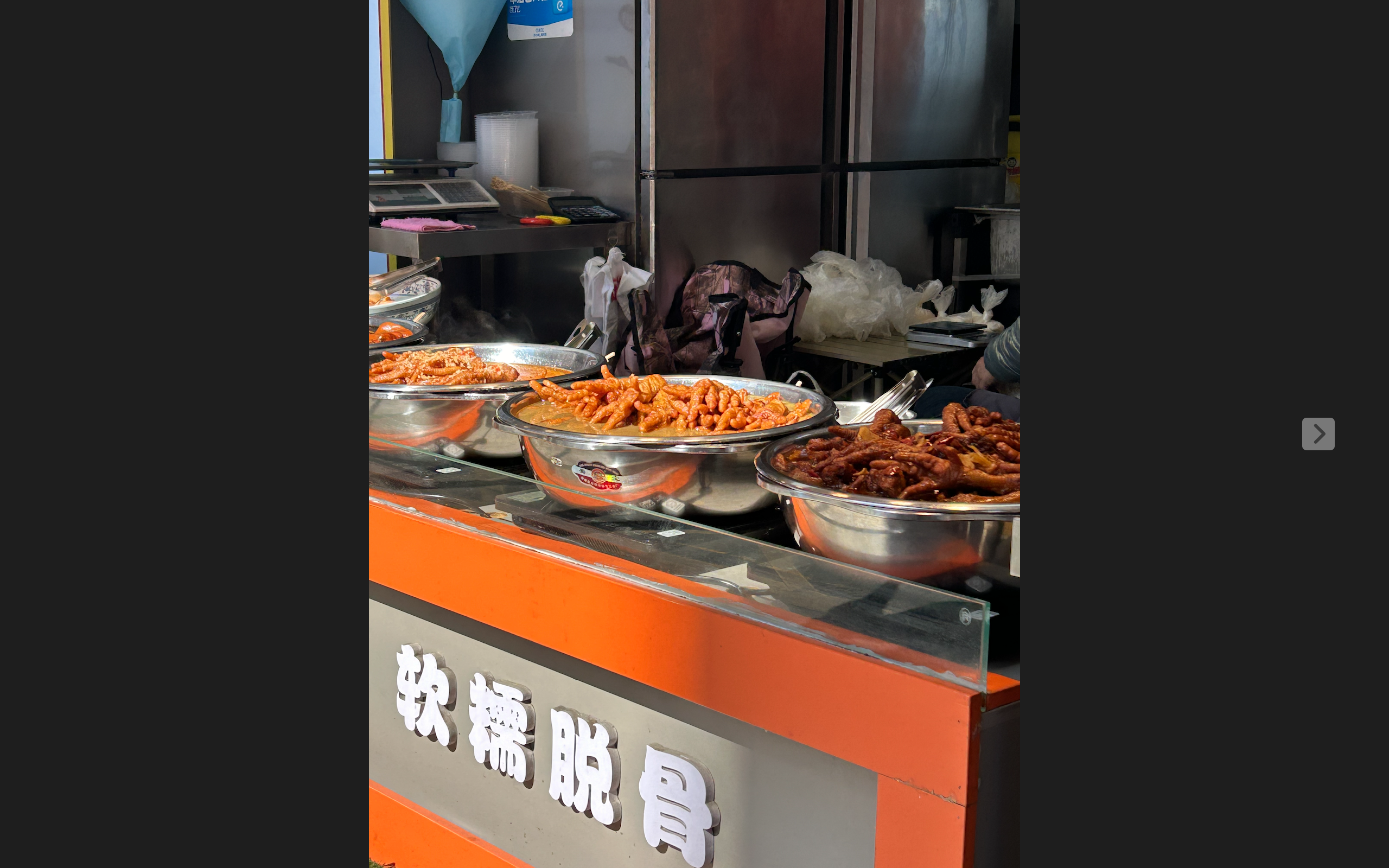
There are many excellent restaurants in China, ranging from a few tables next to a simple kitchen—to elaborate buildings with private rooms for each family or group—complete with eager waiters and plate after plate of food served family style. Of course, it is put on a rotating wheel (like a Lazy Susan) and you have to use chop sticks to grab what you want while the wheel spins around. But my favorite way to eat in China is on the street—buying freshly prepared food right from the vendors—dozens of them lined up as you stroll along.
Such was our lunch in Xian today. I grazed on freshly squeezed pomegranate juice, tofu soup, fried mushrooms, grilled oysters (and other seafood items I could not identify), red bean and mocha sticky rice treats, wonton soup, fried pork belly (very thick bacon), yogurt, and roasted grasshoppers (my first time—chewy, crunchy, and nutritious.) Jie had a few other things, including samples of various chicken feet, from the “chicken feet bar.” There was also a fruit bar (mixed into yogurt) and a mashed potato bar (featuring toppings for your bowl of mashed potatoes.
The day also included standing on the street and people-watching while Jie did some shopping for coats. She bought three of them—and returned one before we left town.
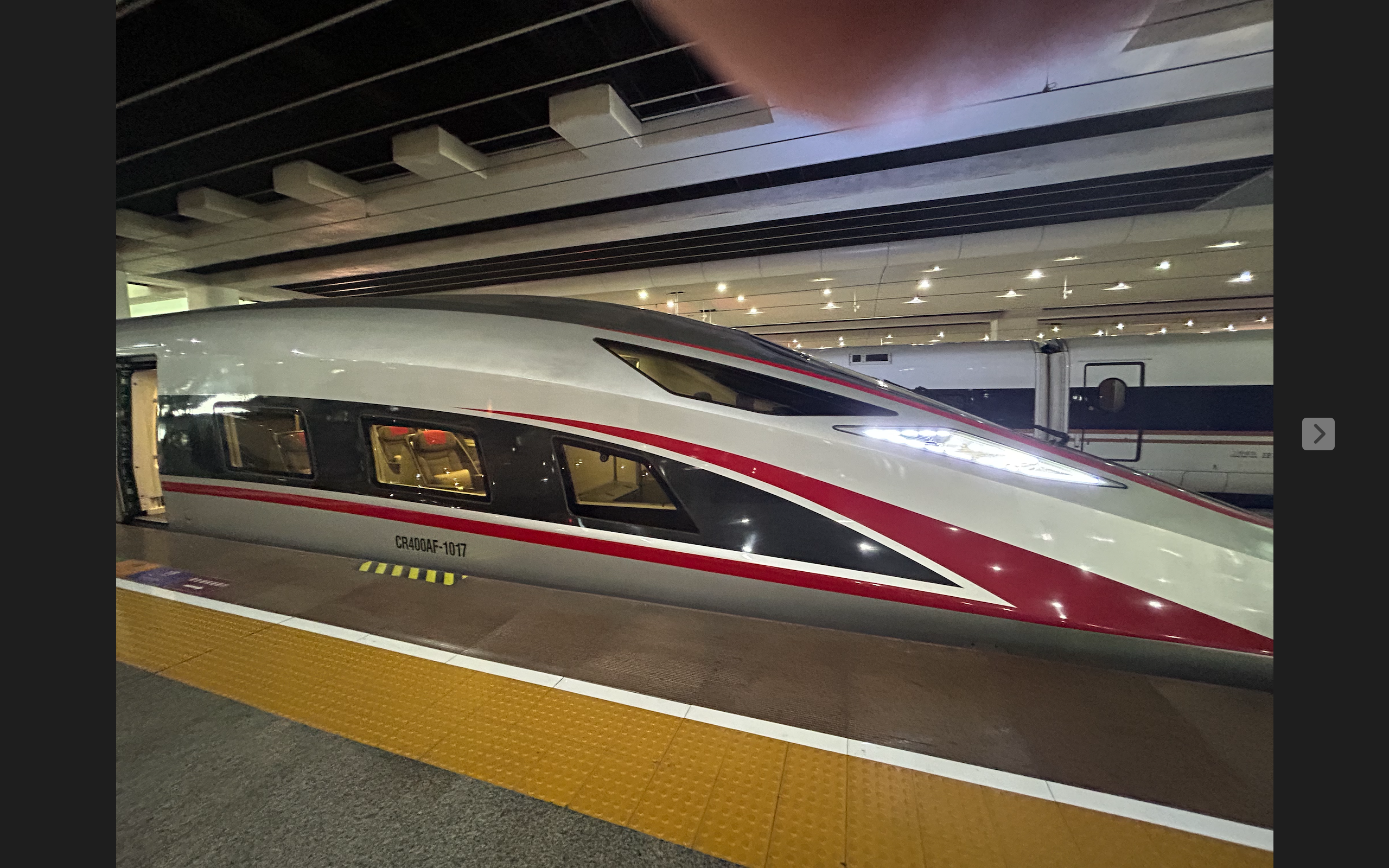
We took the high-speed train to Chengdu—capital city of Sichuan Province—and arrived at our hotel around 10 p.m.
Third Week: Wednesday, October 23
This was the hardest day of the entire trip for me. So—just sit back and be amused while I complain about my misery.
Jie found a 3-day tour—online—an unbelievably good bargain. (First warning light!) We were going to take a bus ride to see some lakes in a National Park and would stay in 5-star hotels. At 10 p.m. the night before we were to leave, they informed us that we would be picked up at our hotel at 5 a.m. to begin the trip.
I already knew the bus trip to the destination would be at least 6 hours. I also knew (from experience) that the bus would not have a bathroom on it. This is not a happy scenario for an old man with prostate issues. But I know how to prepare. And so I got up at 4 a.m. to get showered, dressed, packed, and ready to be picked up at the hotel lobby. But I didn’t eat or drink anything—in anticipation of getting stuck on a bus that would not stop for my every whim.
We drove through the dark streets of Chengdu in a van jammed with eight other people—various pieces of luggage stacked atop me. They dropped us off on a dark street corner and told us to await our tour bus. By 6 a.m., we were loaded on our bus and ready to head to the lakes.
The tour guide gave a vigorous lecture in Chinese, for about the first hour of our trip. Jie kept dozing off—and I was afraid the guide was giving us life and death instructions that I would never hear about—as nobody else on the bus except Jie spoke any English.
When the lecture was finished, Jie filled me in on the parts she heard: We would be going to a place where I was going to need to take two kinds of medicines—as I was the oldest one on the trip. I would also need to buy a warm winter coat on the way—because we would be in freezing temperatures. From time to time, the tour guide gave other lectures—in Chinese of course. And for eight hours we wound our way up into the mountains. I found out later that we were within 100 miles of the Tibet border.
With no food or water, head and chest congestion, riding a bus into the mountains to God-knows-where—I pretended to be a cat. (God gave us cats to teach us how to be unconcerned and nonchalant when we are in a pickle.) We finally arrived at the top of some mountain—eight hours later. I finally found out what God knew beforehand—we were at the Huanglong Nature Preserve and National Geopark.
The first thing I noticed after getting off the bus was the thinness of the air. I could barely breathe. The next thing I noticed was the ski lift—we weren’t yet at the top of the mountain. And so, after waiting in the longest line I had ever seen in my life, we got into a cubicle and took the lift all the way up. The next thing I noticed was that my phone said we were at 12,000 feet altitude. I also noticed that I was wobbling when I tried to walk—and needing to grab anything—or anyone I could to keep from falling over. I also saw people with portable oxygen tanks—evidently you were supposed to buy them at one of the bus stops on the way. We were told at the top that we should then hike our way down the mountain—back to where our bus was parked. It was 5 miles—mostly downhill—but you know mountains—sometimes you also have to go up in order to go down. We were to be back by 5 p.m.
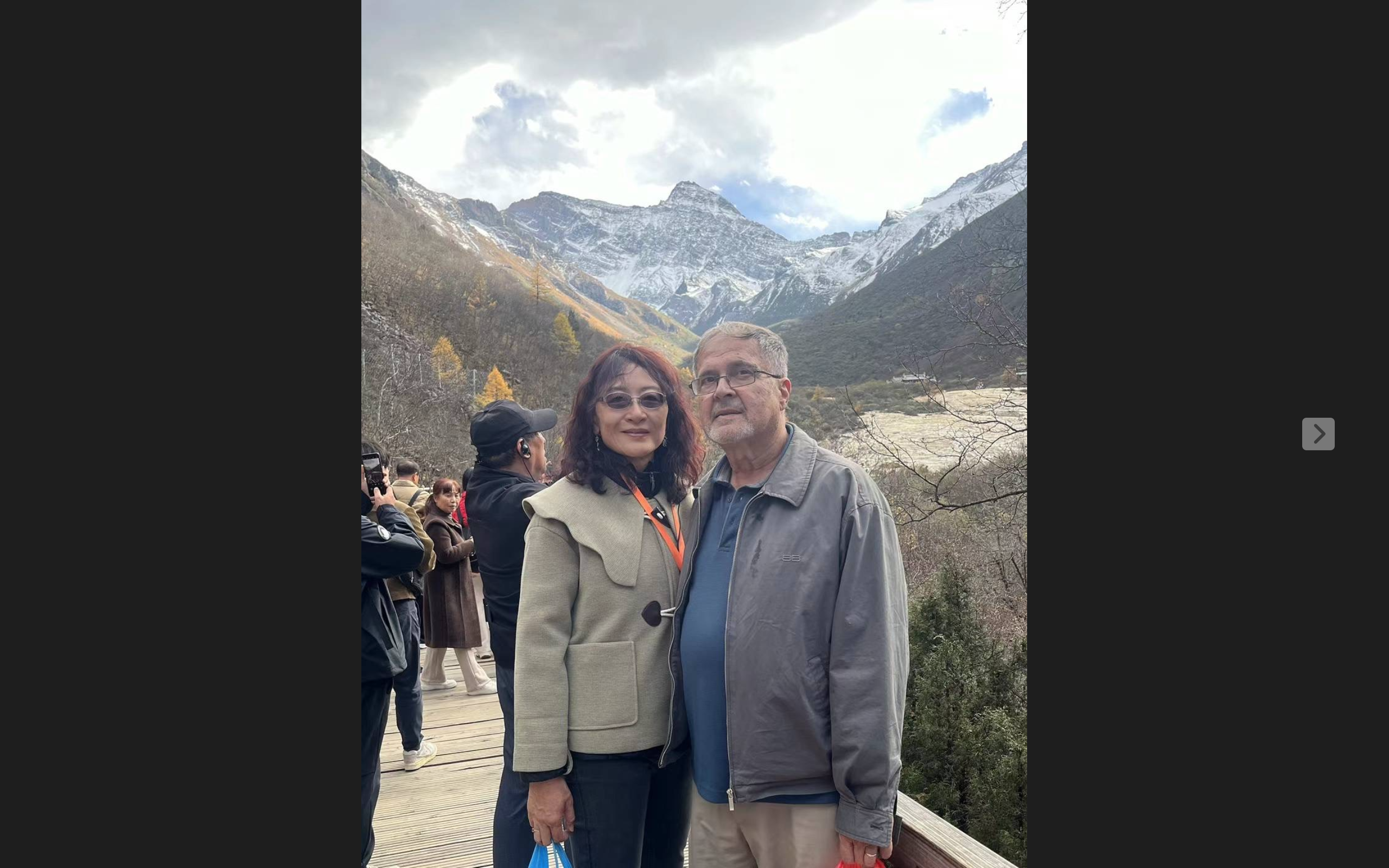
Mercifully, the hike down was all on boardwalk. Up and down. But walking downhill requires keeping your head down so you don’t trip. But being dizzy—and having one bad eye—made it hard for me to see where I was stepping. I could go about 3 minutes without having to stop and lean on something and catch my breath. Five miles is a long way when you have to take a break every three minutes.
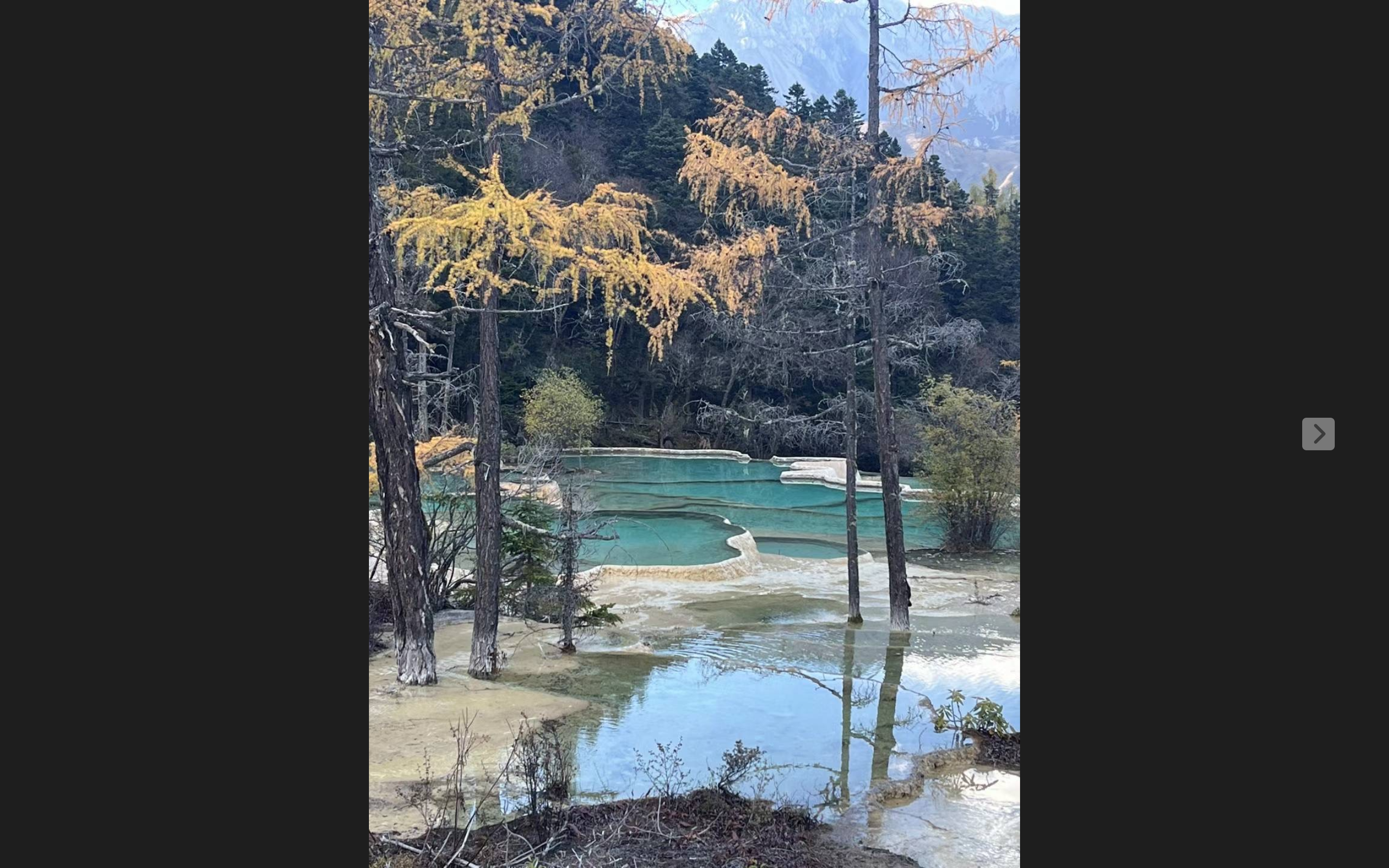
It got dark about 5 p.m.—and we were still a couple miles from the bus. It got even harder for me to see where I was stepping. And by that time, no scenery could be seen to be enjoyed. And I was still on my schedule of taking a break every three minutes.
We finally got back to the bus at 7:30 p.m. And we weren’t the last ones back! By 8 p.m. they got us to supper. And by 10 we arrived at the hotel—a 5-star hotel in that location is different from 5-star hotels in other places. We could not take showers—because at that altitude—many people get in an enclosed shower and have panic attacks because of the thin air. It was 30 degrees, and the hotel electricity was out—so I slept with all my clothes on. Breakfast was at 6—and we were to board the bus at 7 for another splendid experience of nature.
Third Week: Thursday, October 24
Today was Jie’s birthday—58. For her birthday present, I decided to forgive her for getting me into this trip.
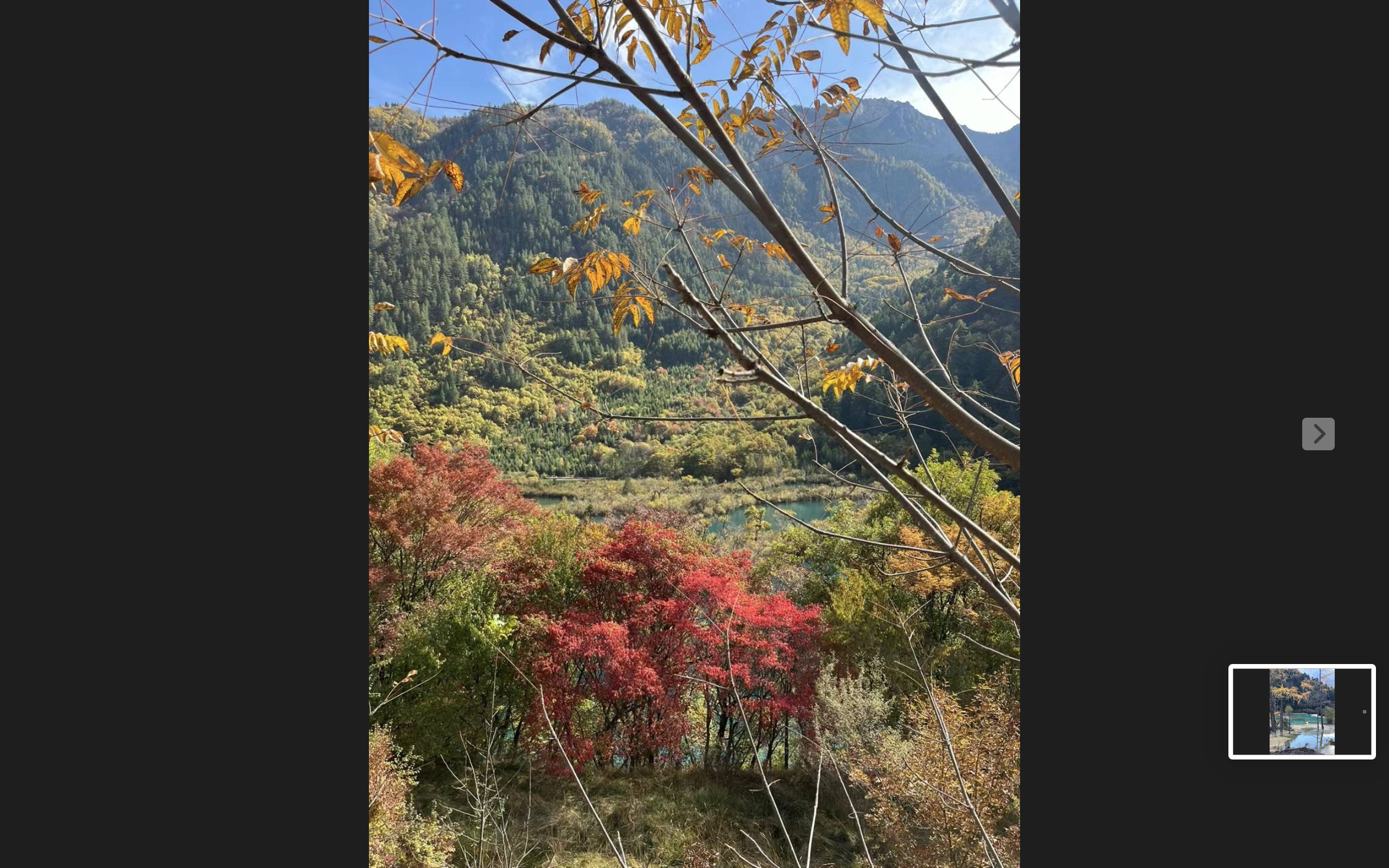
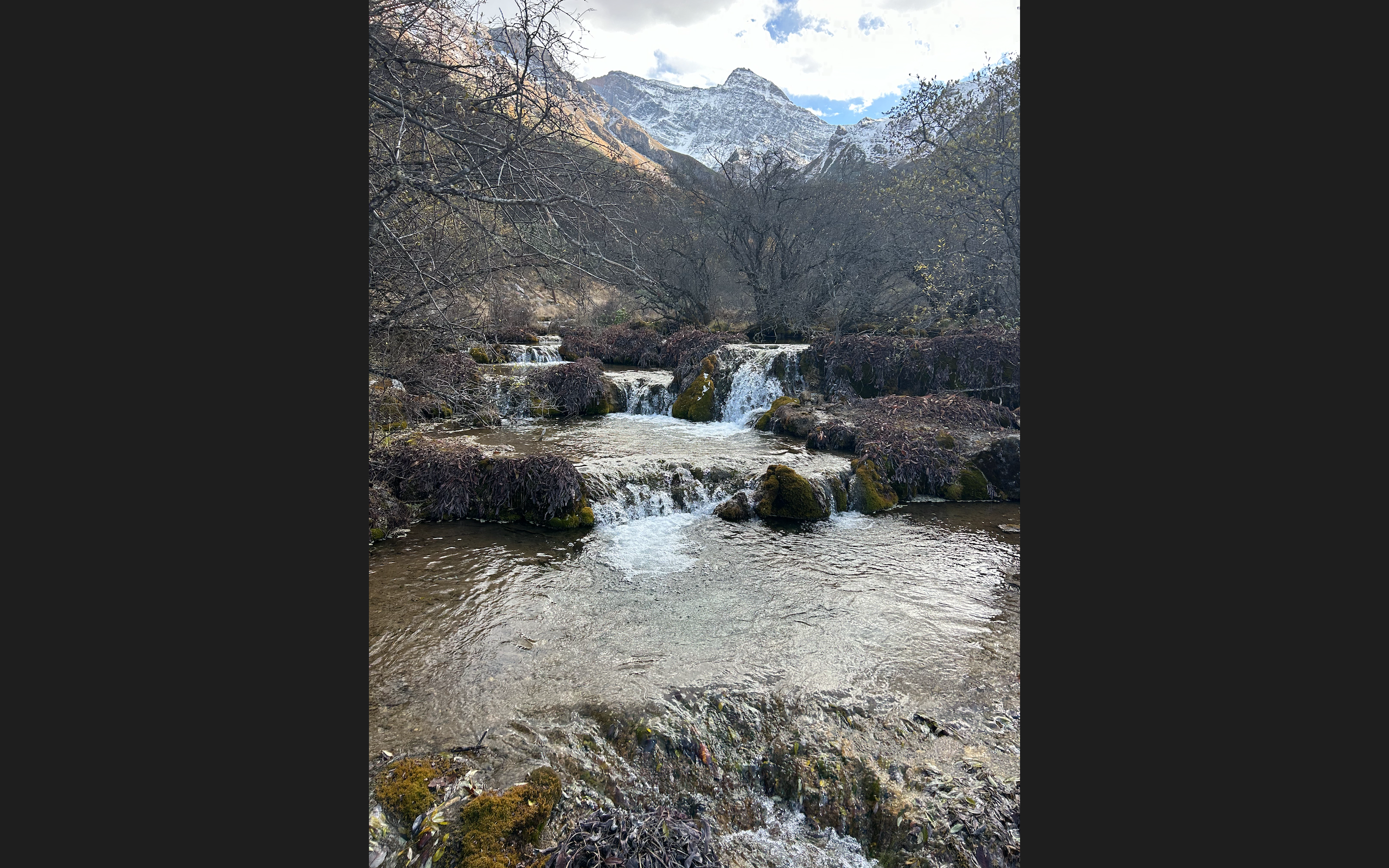
As we boarded the bus, I didn’t know what torture would await us. We headed to the Jiuzhaigou National Park. I didn’t realize beforehand that it is one of the most beautiful places in the world. Today would be one of the best days of the trip. First—we were at about 9,000 feet elevation—more tolerable for me. Second, I felt better. Third, you can get around the entire park by using their shuttle system—getting on and off the buses—hiking as much or little as you want. We saw mountains, waterfalls, fall foliage, lakes—and crowds of people enjoying the beauty—and getting in our way every time Jie wanted a good photo. (Which was about every two minutes—but heck—it was her birthday—so I was a good sport about it.)
Enjoy some of those photos.
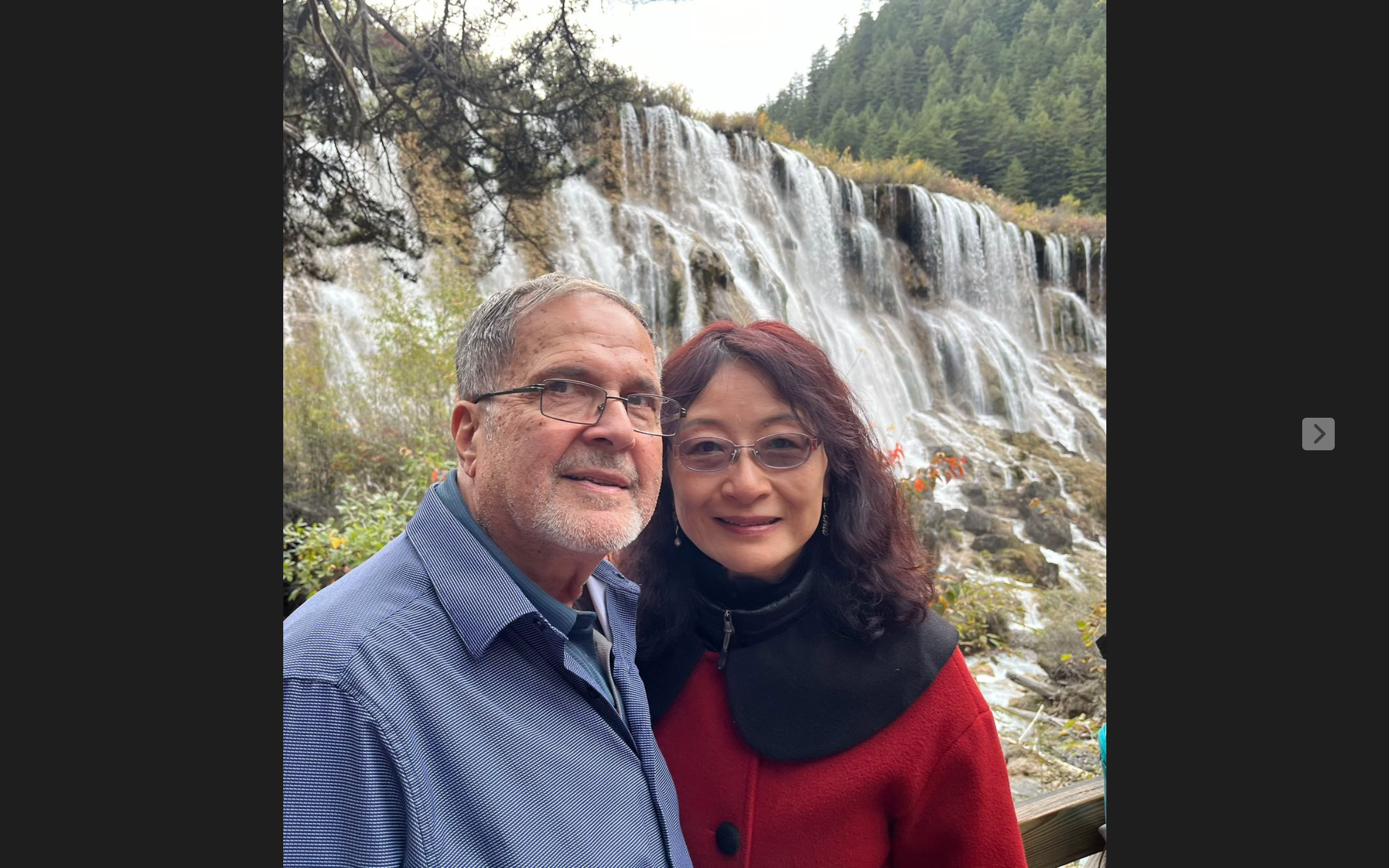
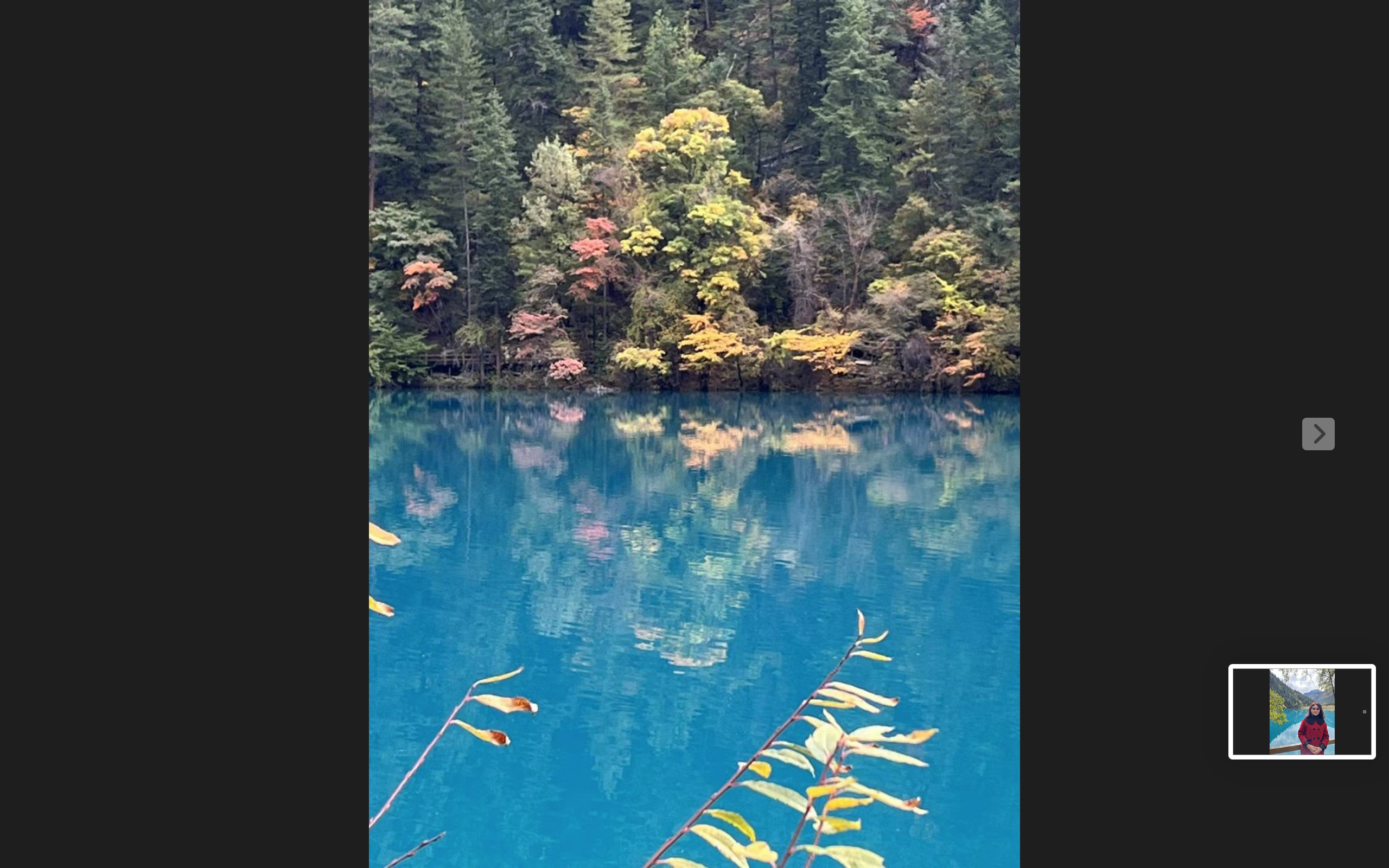
Third Week: Friday, October 25
Today was the bus trip back to Chengdu. Another thing we didn’t know about this trip—the third day was entirely for shopping. Evidently the government has subsidized these trips in order to bring business and income to the struggling residents who live in this area. I was caught between my social conscience and my discomfort at the high handed way the tour guide went about getting us to spend more money—threatening that the bus wouldn’t take us to our hotel that night unless we spent at least 1000 yuan each (about $200). It was a 12 hour trip back to our hotel. We stopped at shops for silver, jade, Chinese medicine, ox leather and tusk carvings, etc. I needed a belt, so I bought one of those. Jie spent the rest of our quota.
Third Week: Saturday, October 26
We got up at 6 a.m. to head to the airport—and a flight to Guangzhou. We were to spend four nights there as guests of our in-laws (son-in-law Tristan’s parents.) They had bedrooms for both Jie and me in their small apartment. Mr. Chen met us at the airport, arranged for a cousin to take our luggage on to the apartment—and carry it up the five flights of stairs and have it waiting for us—and then he took us on a tour of some of the city’s sights.
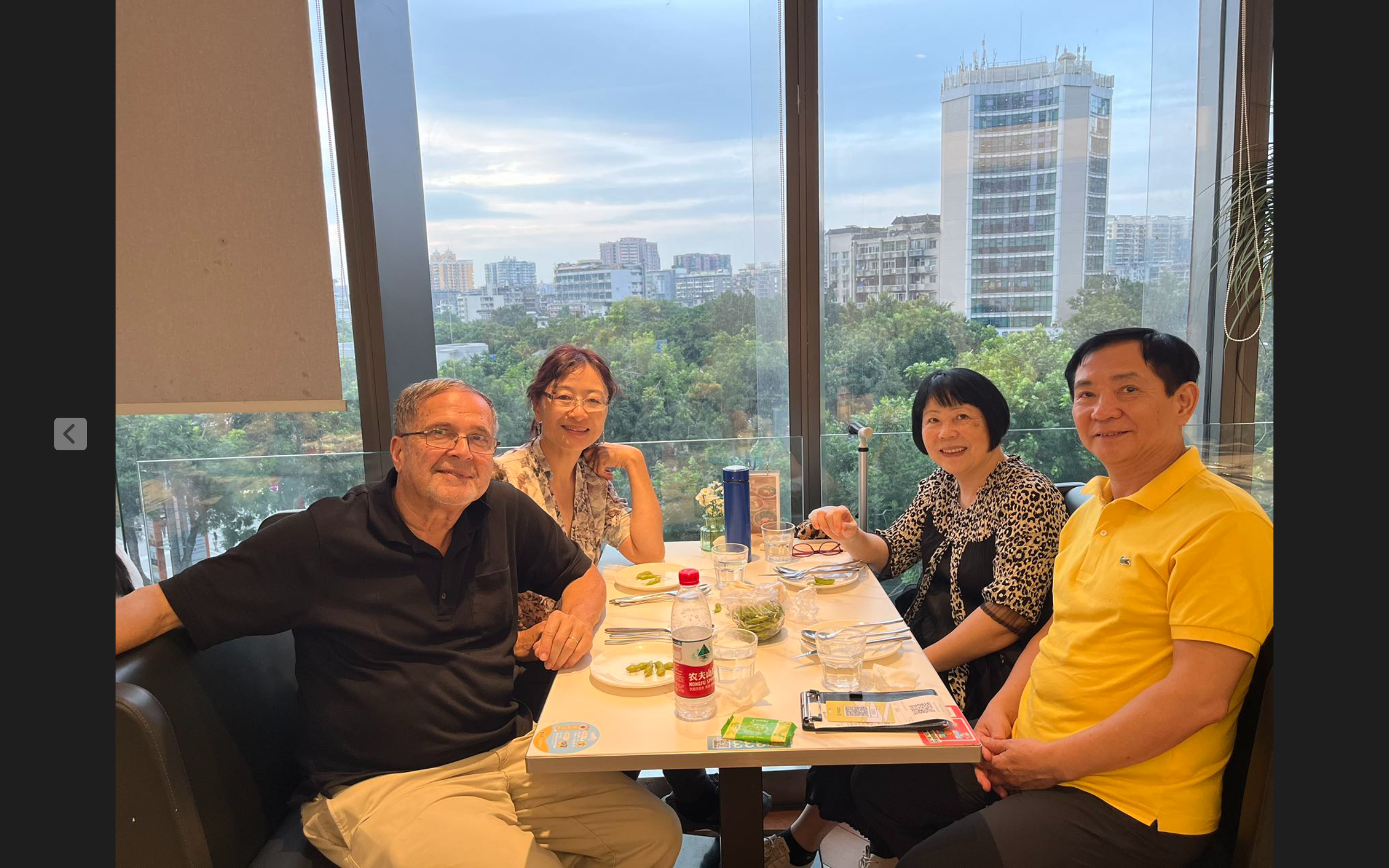
It was common in many Chinese cities (starting several centuries ago) for the most prominent families and clans to have a compound for the exclusive benefit of all those with that surname. The Chen Clan compound—now a folk museum—was our first tourist stop. We also visited the Sun Yat Sen Memorial Hall and then met up with Tristan’s mother, where we were treated to a banquet by Tristan’s parents.
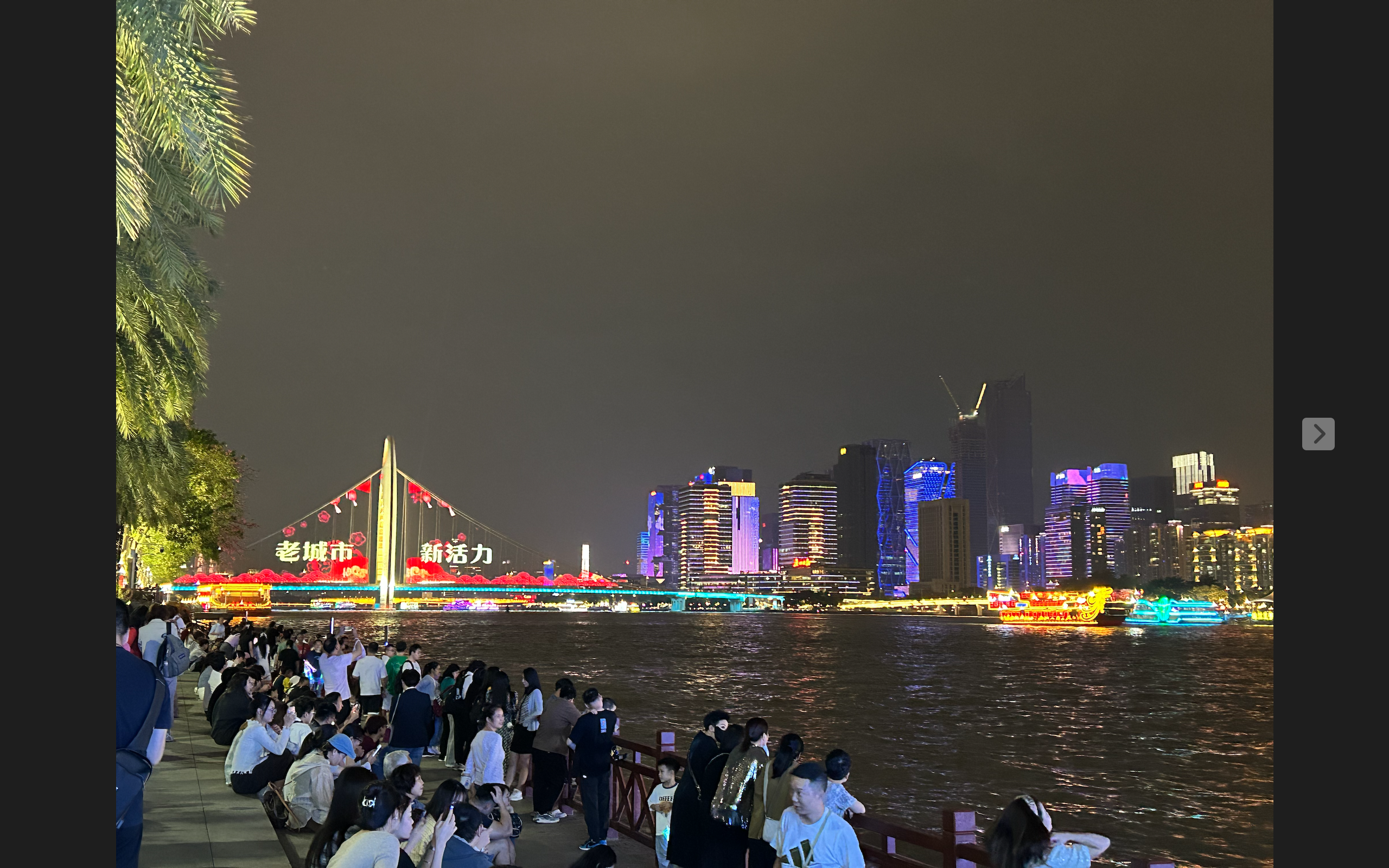
After dinner, Tristan’s father took us back into the city to see the night-lights. We strolled around for a long time—and I was very tired by the time I got back to their apartment.
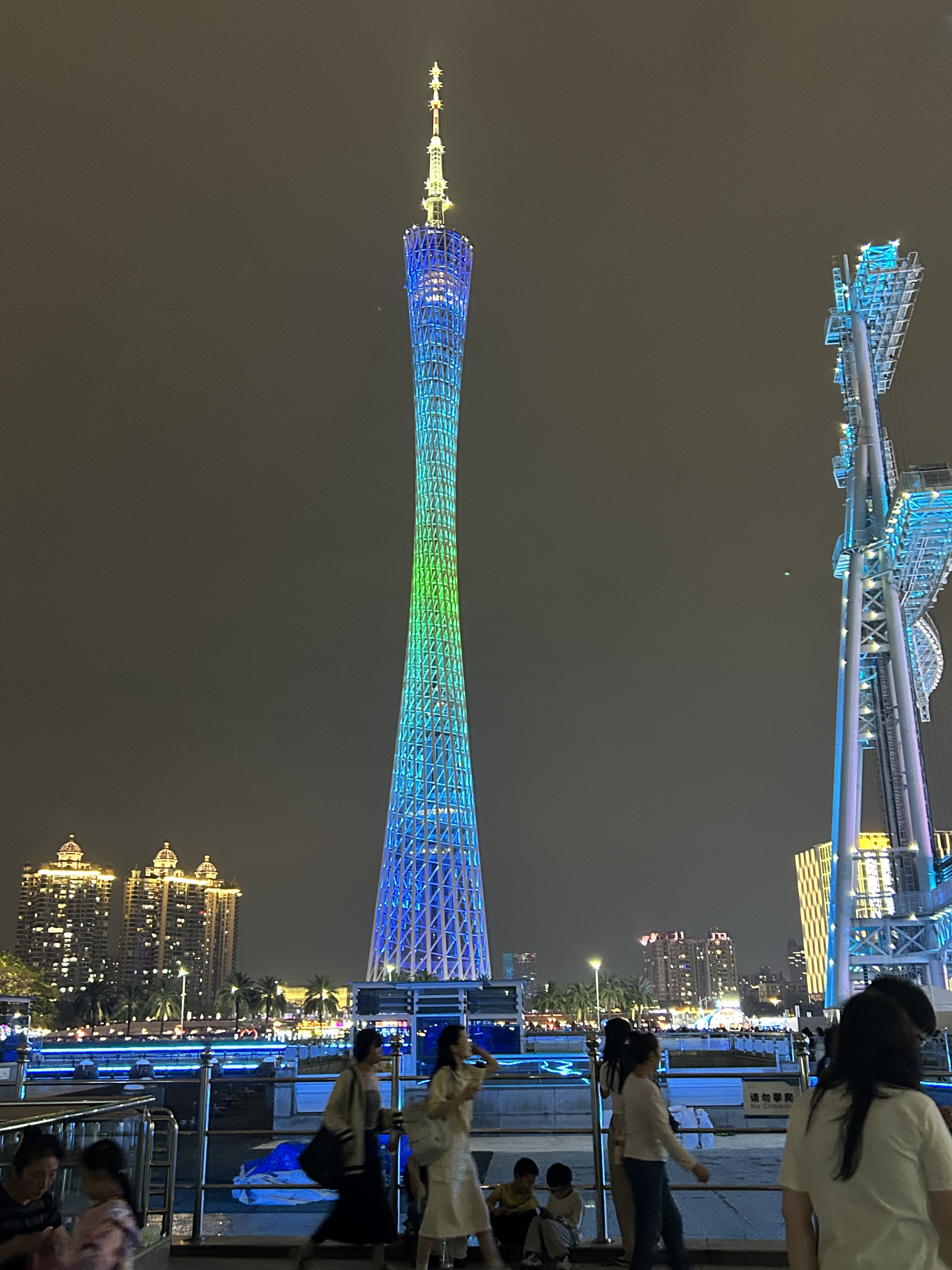
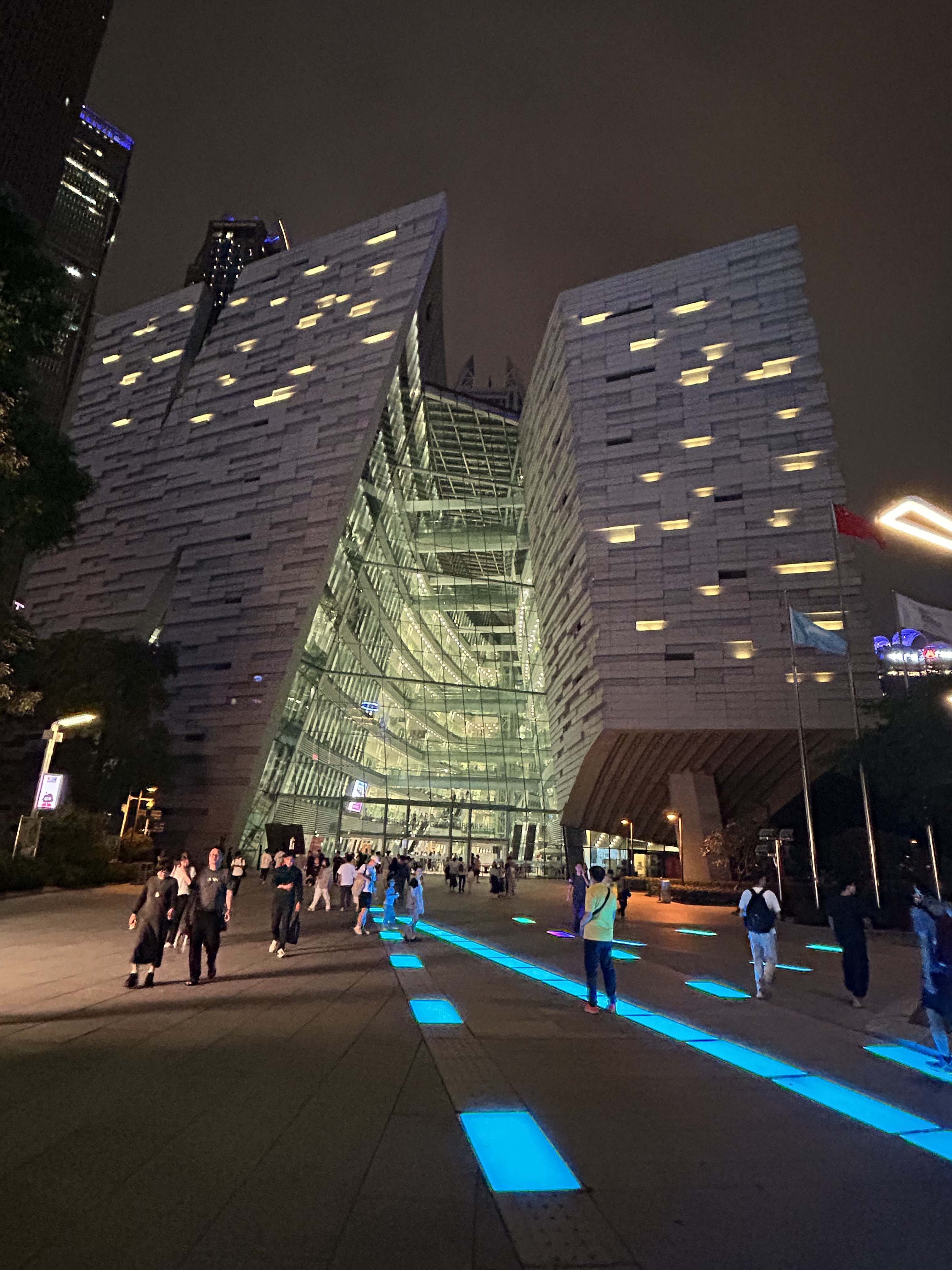
Third Week: Sunday, October 27
We had a slow morning at the in-law’s apartment—something we needed after a series of long days. I slept well, once I got the bed adjusted to suit me. Many people in China are accustomed to sleeping on hard mattresses—so hard that you and I wouldn’t even call it a mattress. When Tristan’s parents came to visit in the U.S., they asked for a pad—so they could sleep on the floor. They were not able to get comfortable in our soft beds.
Knowing that difference, Tristan’s parents arranged for me to have an extra pad on my bed. But I still had to rig up some other padding in order to make it work for me. I encountered the same difficulty with hard bedding in several other places—including my night in the thin air—and Hong Kong.
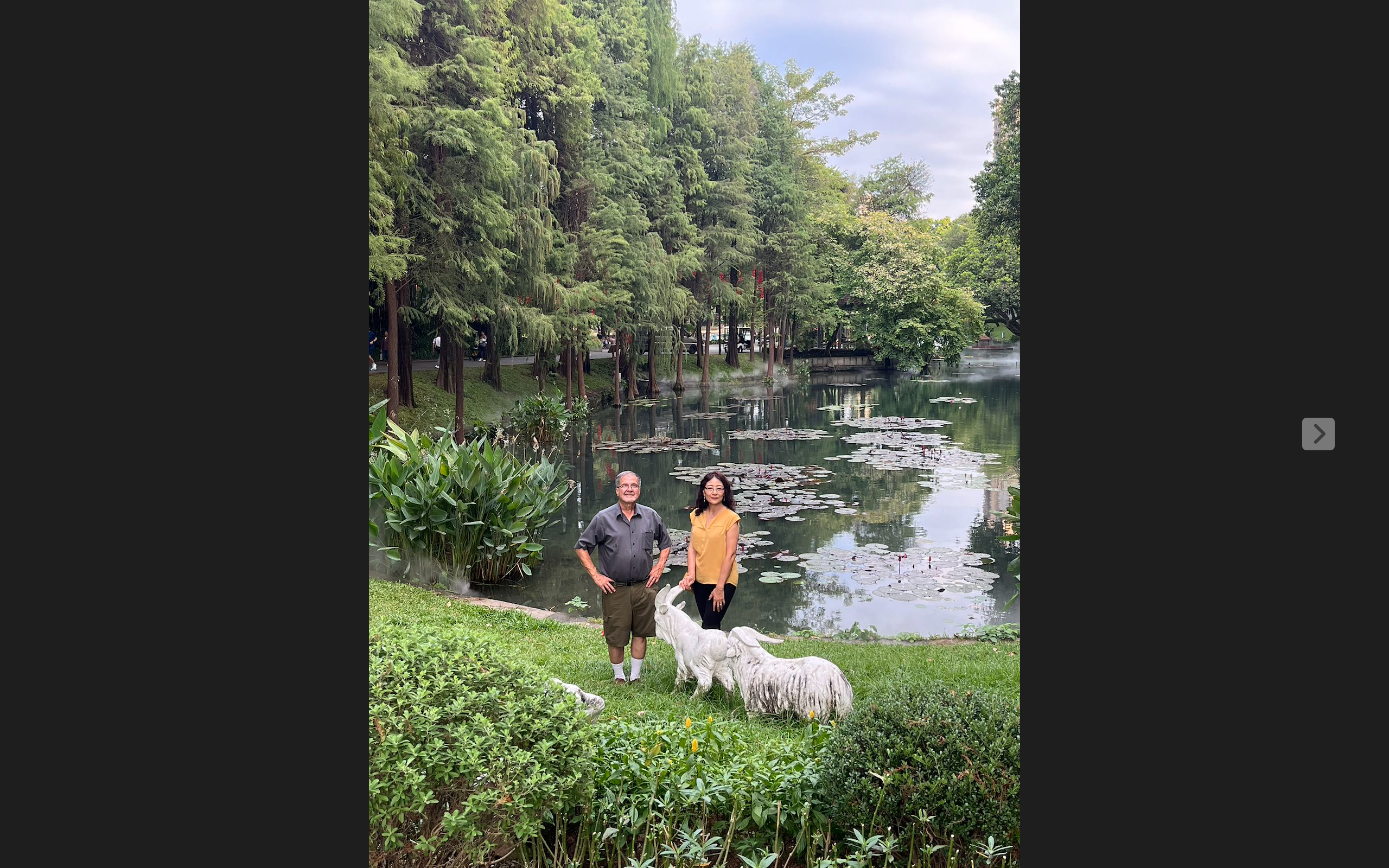
After a leisurely morning, we headed out to see more of Guangzhou, including the park of the five goats. Legend has it that many centuries ago, Guangzhou (Canton to many old-timers in the U.S.) was a poor and struggling village. Then one day five shepherds came bearing rice sheaves, each shepherd riding a goat. They blessed the village and then left, leaving the rice sheaves and goats behind. The goat turned into stone—as a memorial. And the village prospered and became one of the great cities of the world.
We also went to the provincial history museum—excellent—and a museum on Cantonese Opera—not one I would have picked on my own—but very informative and enjoyable.
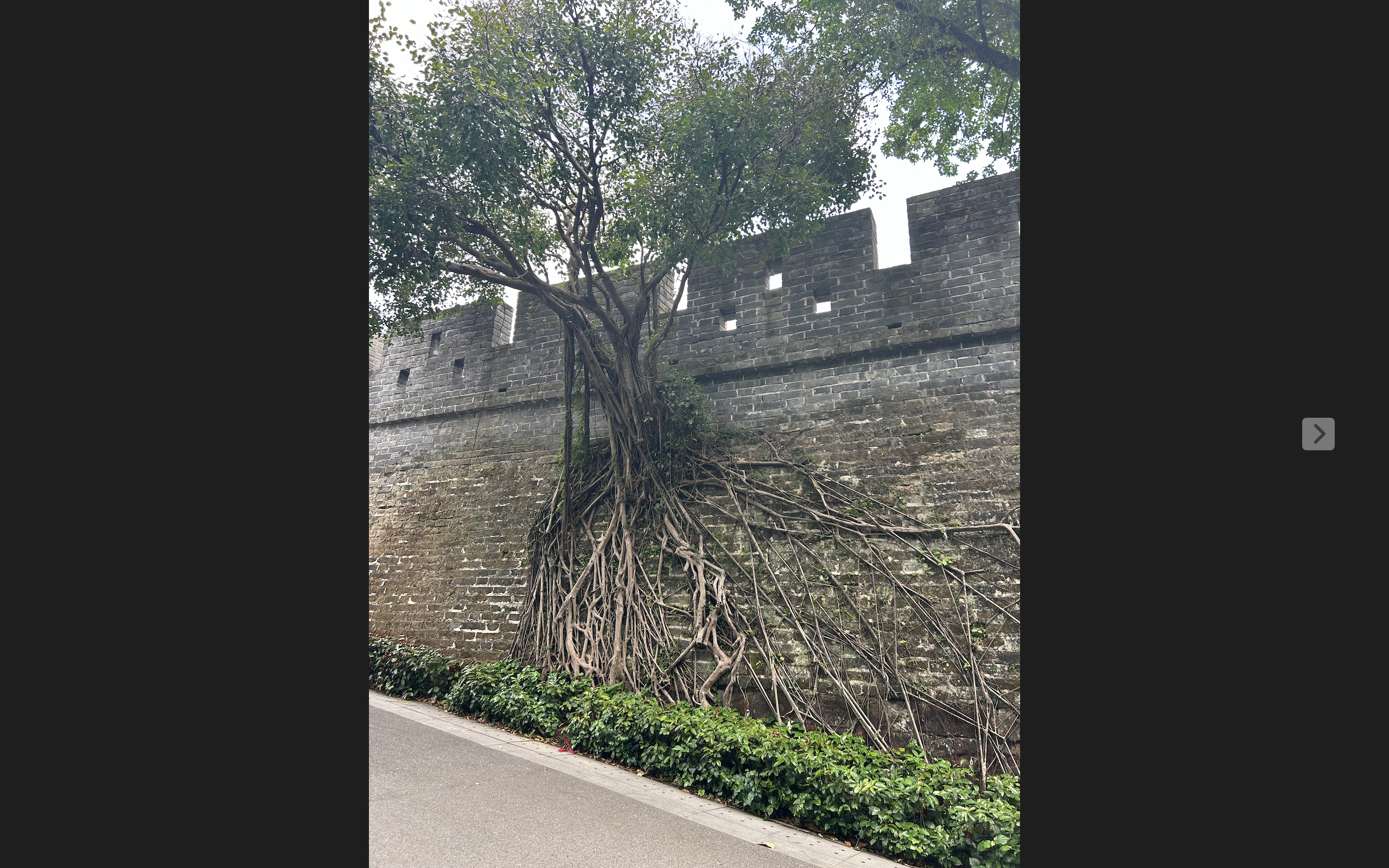
We then went to visit the White Swan Hotel—one of the finest in all China. On Jie’s 30th birthday, her late husband took her there—to the top floor—for a drink. Since we weren’t staying there, we couldn’t go up. But we did enjoy the luxurious lobby.
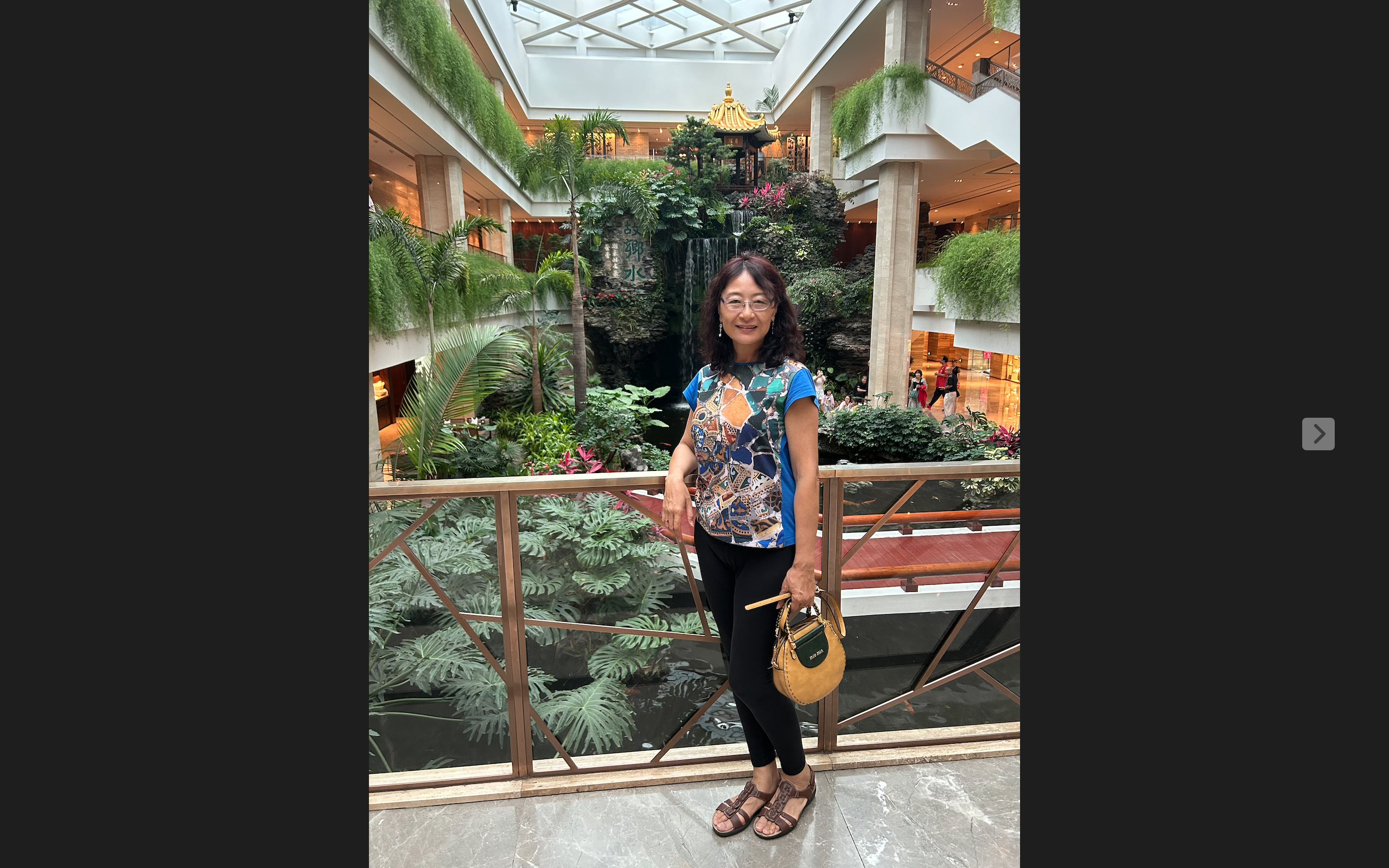
That night we joined one of the cousins (if you speak English, the Chinese never try to explain their complex family trees to you—they just tell you that someone is a “cousin”) for dinner and a time to enjoy the lights on the water.
Third Week: Monday, October 28
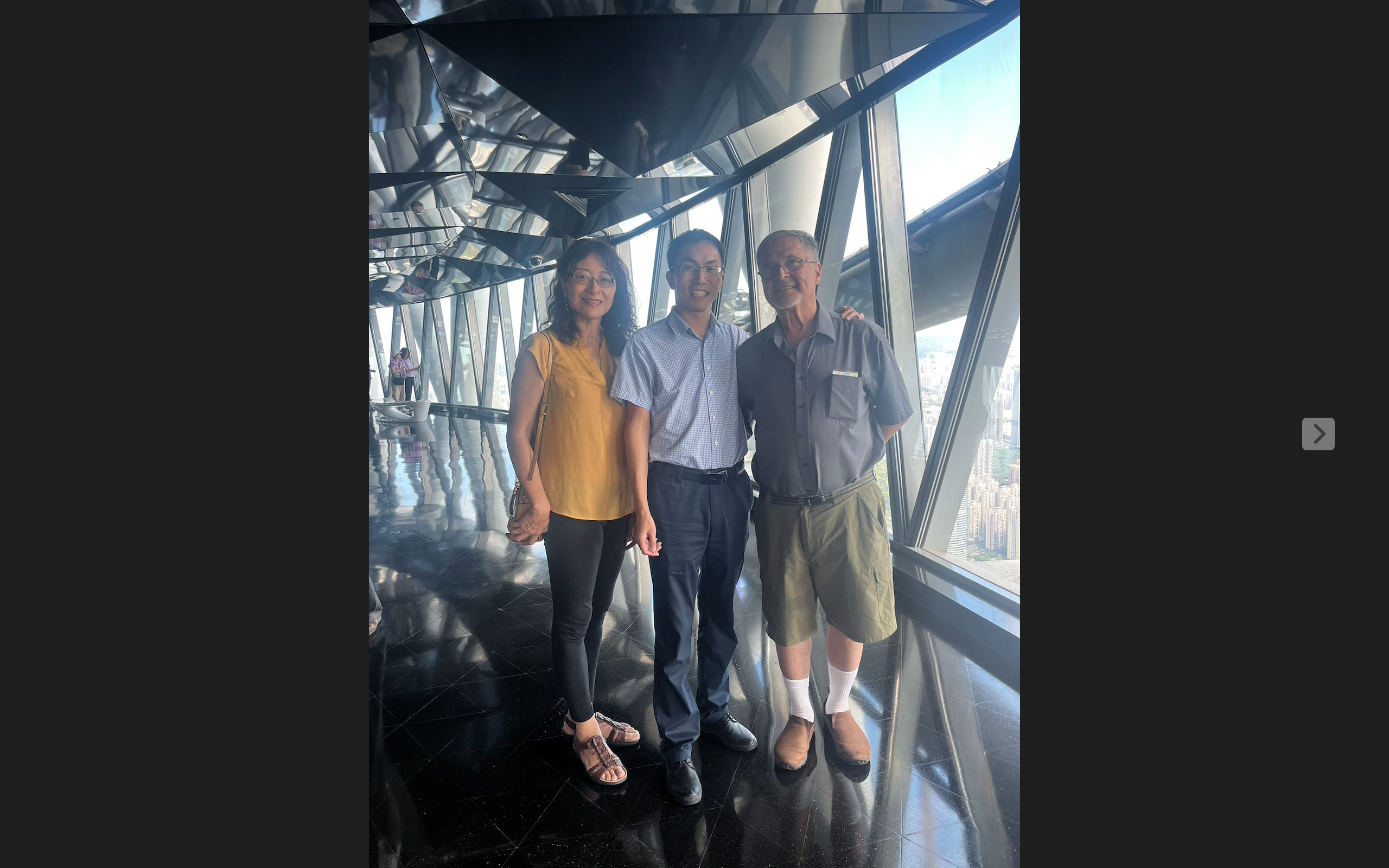
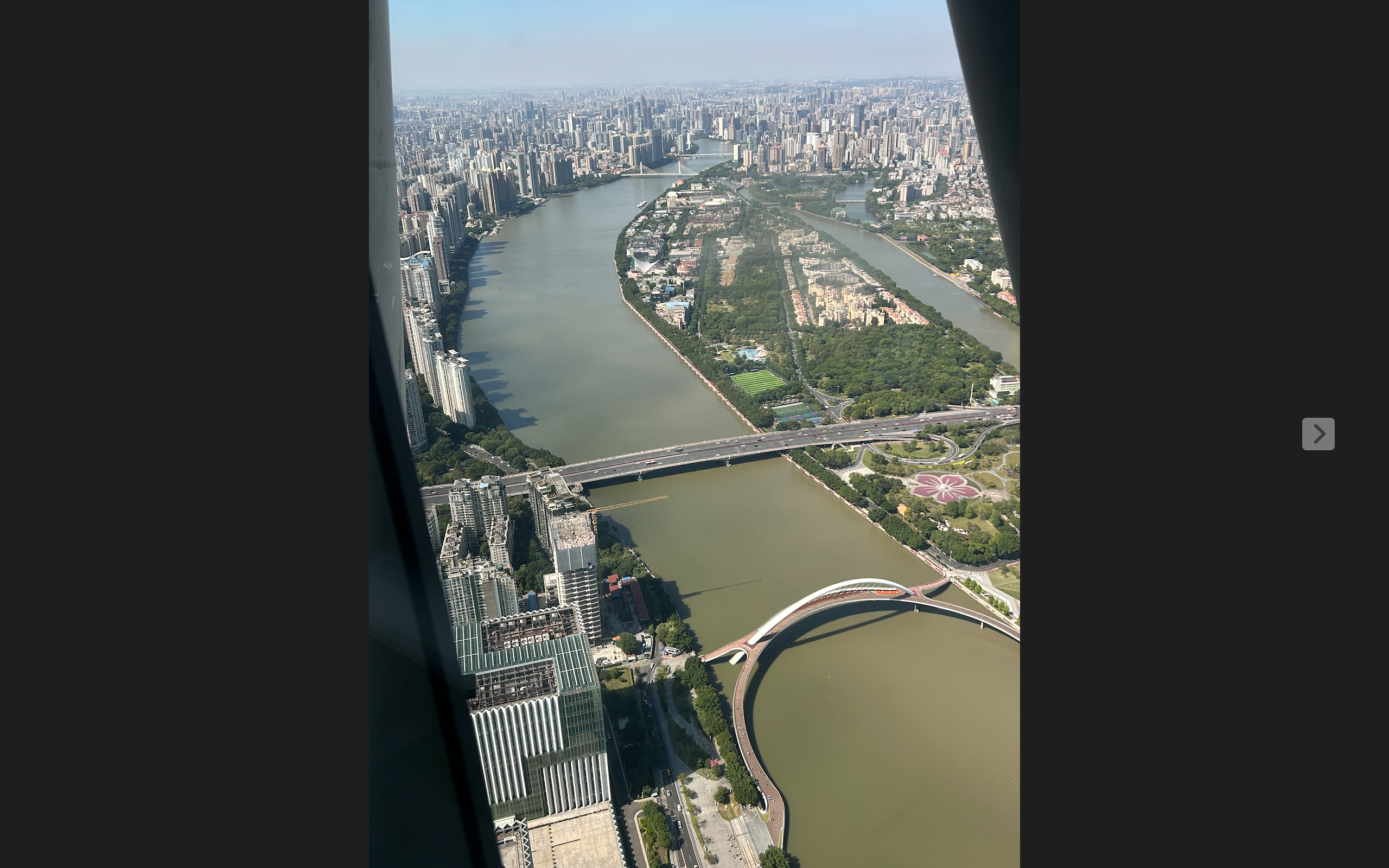
Today we met Hao for lunch—a scholar a decade ago at the U of I and part of our church program for international students. He is a kind and brilliant young man, a civil engineer who teaches at a university in Guangzhou and works on several projects in the city. He took us up in the Canton Tower and explained some of the engineering to me.
He also pointed out different bridges below us—including ones his team had worked on.
Fourth Week: Tuesday, October 29
Our final full day in Guangzhou. Tristan’s dad spent the day with us and took us to Chanchung, a city that is famous through the centuries for its porcelain factories, turning out some of the finest pottery and china in the world.
In the evening, we wandered through the old market—hundreds of vendors selling vegetables, fruits, fish, and other meat. We picked up items for dinner, which Tristan’s mom cooked for us. It was a leisurely evening at their apartment.
Fourth Week: Wednesday, October 30
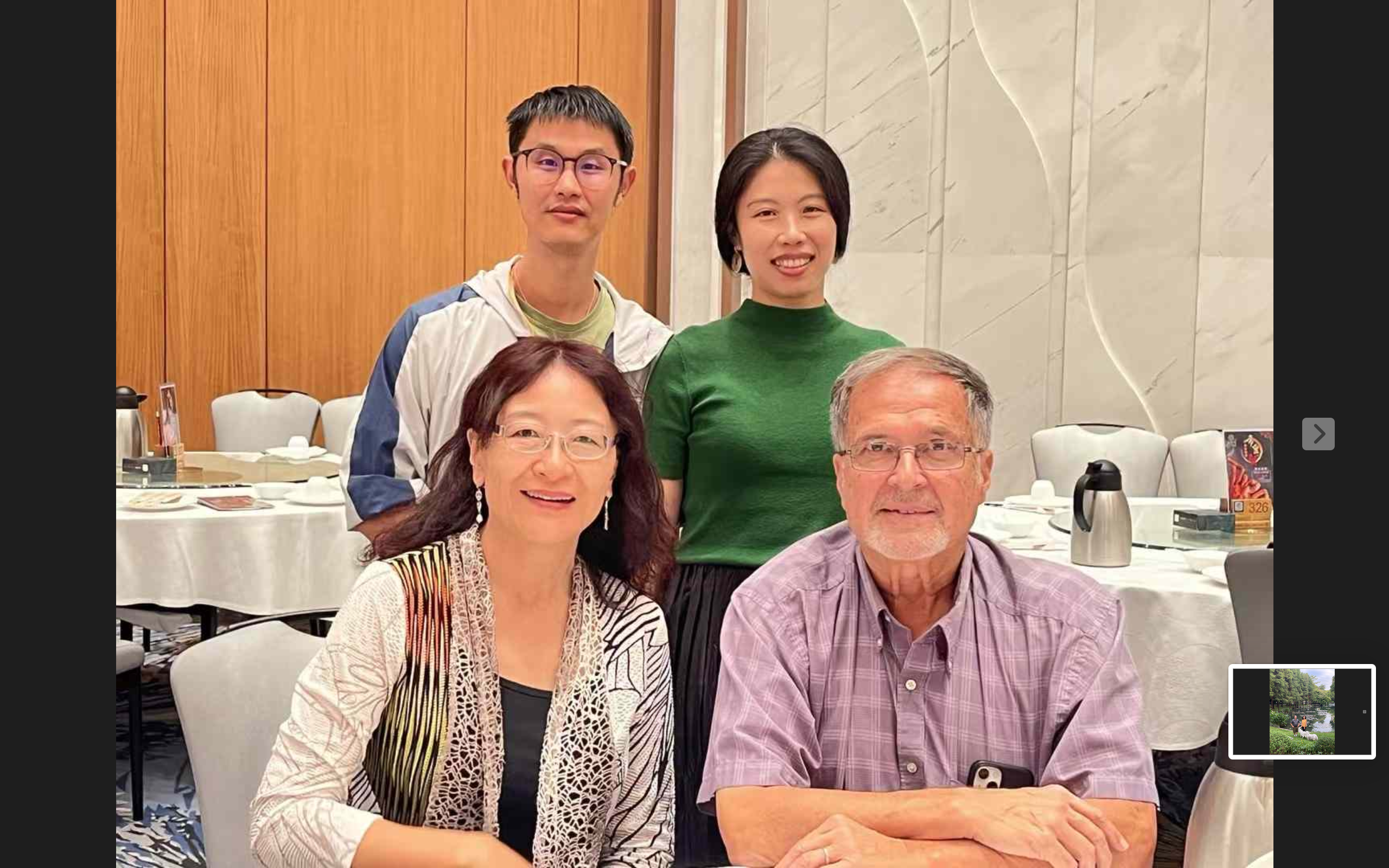
We left Tristan’s parents and took the train to Shenzhen. We were met their by Quingyu and Huaming—a couple who were part of our international ministry a dozen years ago. They met at our church, got married, and now have two children. They welcomed us to town with a banquet—and we got caught up on old times.
Jie left after lunch—to head back to her parents in Nanjing for an extra week with them. I spent the afternoon with Qingyu—and enjoyed getting caught up and renewing our dear friendship. That evening I took the train to Hong Kong—and back to the hotel for the night before heading out the next morning for the airport—and Chicago—and my home in Urbana.
 Repertoire